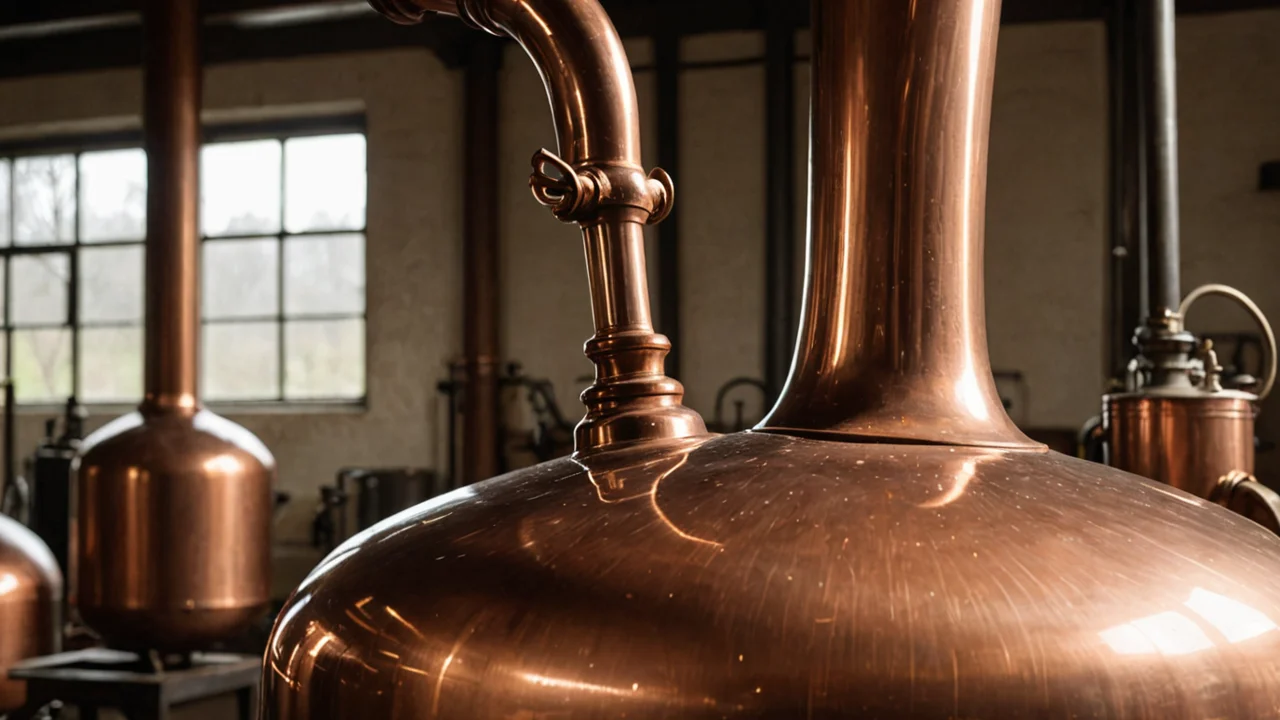

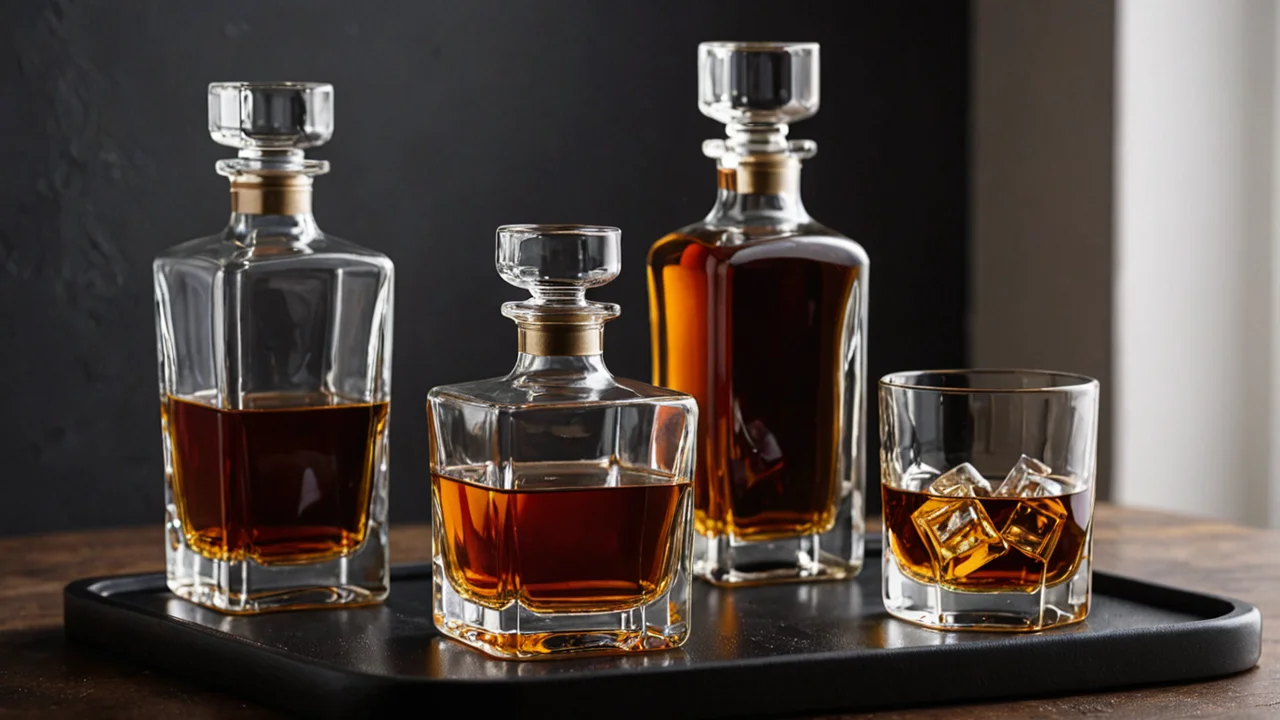
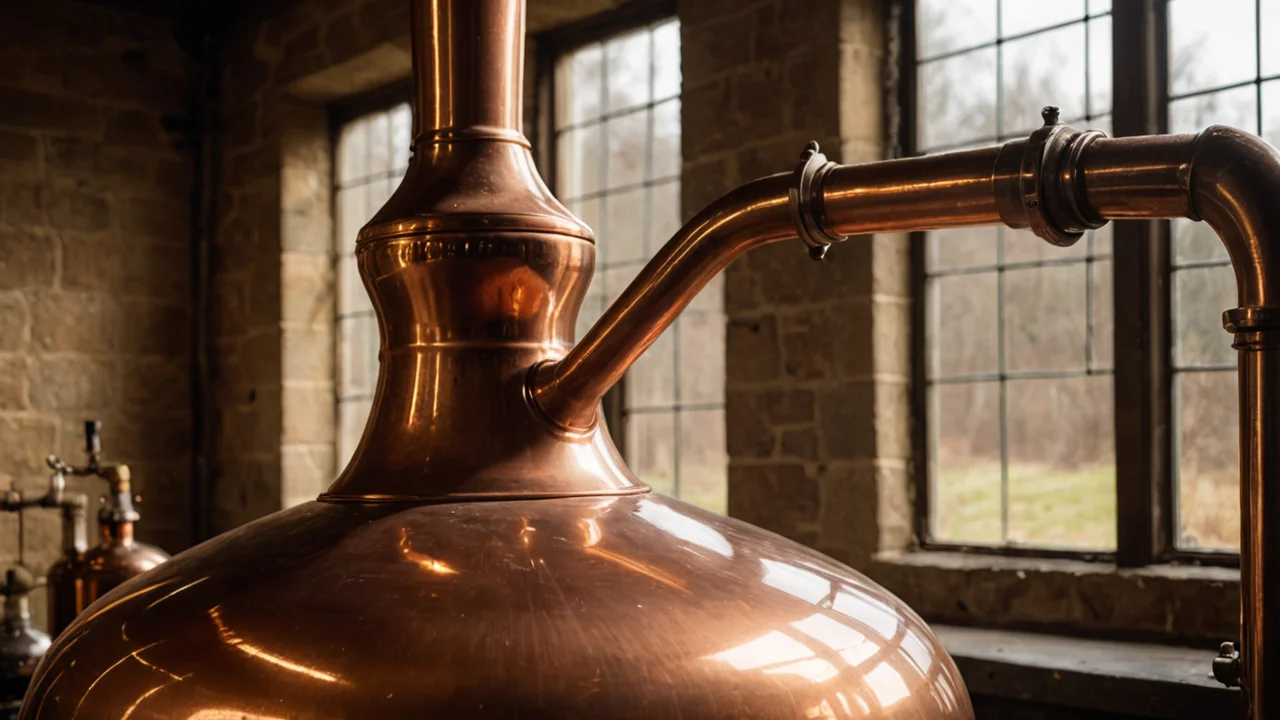
The single most useful thing to know before you spend money on whiskey in the United States is that the label is governed by legal definitions, and those definitions tell you most of what you need. Bourbon must be distilled at no more than 160° proof from a mash of not less than 51% corn, stored at no more than 125° proof in charred new oak containers, and bottled at not less than 80° proof. Rye whiskey needs not less than 51% rye in the fermented mash. "Straight" adds a minimum of two years in charred new oak and forbids added coloring, flavoring, or blending materials. Learn to read those thresholds and a large share of buying decisions resolve themselves before you taste anything.
What the label legally guarantees, and what it doesn't
A whiskey label in the U.S. is doing two different jobs at once, and confusing them is where most buyers get taken. The first job is the standards of identity: the category name — bourbon, rye, wheat, malt, rye malt, corn — is a legal claim with numbers attached. Bourbon is not less than 51% corn in the fermented mash, distilled at 160° proof or less, stored at 125° proof or less in charred new oak. Rye is not less than 51% rye, same distillation ceiling, same storage ceiling. Whisky in general is a distillate of fermented grain produced at less than 190° proof so it retains the taste, aroma, and characteristics generally attributed to whisky, stored in oak containers (corn whisky excepted), and bottled at not less than 80° proof.
The second job is marketing, and none of it is bound by those numbers. A bottle can say "small batch," "hand-selected," "craft," or carry an age statement that means less than you think — an age statement tells you the youngest whiskey in the blend, not the oldest. It cannot, however, call itself straight bourbon unless it spent at least two years in charred new oak and contains no added coloring, flavoring, or blending materials. That word is the closest thing on the shelf to a promise about what's inside.
The practical consequence: if you want to know what you're drinking, buy by category and by the word "straight," then by producer reputation. If you want a specific flavor profile — high-rye spice, wheated softness, a particular barrel char — the label won't tell you, and you're back to reading the producer's own disclosures or tasting. The cost of leaning on the label alone is that you'll pay a premium for words with no legal weight and miss bottles that are technically plain but genuinely good.
Proof, and why the numbers on the bottle matter more than the number in the name
Proof is the most legible variable you control, and it's where a lot of buying mistakes happen. Under U.S. standards, whiskey must be bottled at not less than 80° proof — that's the floor, and a great many entry bottles sit right on it. Distillation is capped at 160° proof for bourbon, rye, wheat, malt, and rye malt, and the whiskey goes into charred new oak at 125° proof or less. Those three ceilings and floors bracket everything: what comes off the still, what goes into the barrel, and what goes into your glass.
Why you should care: a whiskey distilled close to the 160° proof ceiling comes off the still relatively clean and light, with fewer of the heavier grain-derived compounds that survive lower distillation. A whiskey distilled well below it carries more of that character into the barrel. Neither is better in the abstract — it's a style choice the producer makes before you ever see the bottle — but it explains why two bourbons with identical mash bills can taste nothing alike.
Barrel entry proof works the same way. Storing at a lower proof means more water and less alcohol going in, which changes how the wood extracts over time. Storing nearer the 125° proof ceiling means a more concentrated spirit that takes on oak differently. You can't see entry proof on most labels, which is why producer disclosure matters more here than anywhere else on the bottle.
Bottling proof is the one you actually choose. Cask-strength bottlings — above the standard 80° proof floor, often considerably — give you the whiskey undiluted and let you add water yourself. That's a real advantage: you can taste it at full strength, then dilute in the glass until it suits you, and you learn what water does to a whiskey in the process. The trade-off is that high-proof whiskey is unforgiving of a clumsy palate and costs more per bottle for the same volume of spirit. If you're building a first shelf, a few bottles at standard proof and one cask-strength bottle to experiment with is a better use of money than a shelf of high-proof bottles you don't yet know how to drink.
Mash bill: the one decision that shapes everything downstream
The mash bill — the grain recipe — is the first fork in the road, and it's the one you can actually read off the label for the major categories. Bourbon is not less than 51% corn; rye is not less than 51% rye. Everything above that minimum is the producer's choice, and it's where the flavor lives. A bourbon at 51% corn with a big rye share in the remainder tastes nothing like one at 70% corn with wheat filling out the rest.
What the categories taste like, in broad strokes: corn brings sweetness and a round, sometimes grainy body. Rye brings spice — the peppery, sometimes dill-adjacent edge people mean when they say "rye bite." Wheat softens and rounds, which is why wheated bourbons appeal to drinkers who find rye-forward bourbons sharp. Malted barley contributes the enzymes that make fermentation work and, in malt whiskey, the roasted grain character itself.
The minimums are floors, not targets, and the gap between the floor and what a producer actually uses is where most of the interesting buying happens. A rye whiskey at exactly 51% rye will read very differently from one at 95% rye — the first is closer to a bourbon with a rye accent, the second is rye in the foreground. Neither is a better buy; they're different drinks for different moods.
The honest limitation: mash bill percentages are not required on the label for every category, and many producers disclose them only partially or not at all. When you can't get the number, buy by producer and by repeated tasting rather than by guessing from the name. And don't over-index on mash bill — yeast strain, distillation proof, barrel char, and warehouse placement all move the flavor as much or more, and none of them appear on the front label.
Age statements, "straight," and what two years buys you
"Straight" is the most valuable word on an American whiskey label, and it's the one most buyers skip past. Straight bourbon is bourbon produced from a mash of not less than 51% corn, distilled at 160° proof or less, stored in charred new oak barrels at 125° proof or less for a minimum of two years, and meeting additional requirements that preclude added coloring, flavoring, or blending materials. That last clause is the whole point: no caramel color, no flavoring, no blending with neutral spirit to stretch the volume. What's in the bottle is whiskey and water.
Two years is a floor, not a recommendation, and it's a low one. A two-year straight bourbon is legal, honest, and frequently harsh — the wood hasn't had time to round off the new-make edges, and you'll taste it as a raw, grainy sharpness that water doesn't fix. The jump in quality between a minimum-age straight whiskey and one that's spent meaningfully longer in the barrel is one of the largest you'll find at any price point, which is why so many buying decisions come down to paying more for time.
Age statements carry their own trap. When a bottle says a number of years, that number is the youngest whiskey in the blend — a bottle labeled as a given age may contain much older whiskey alongside it, and the label tells you only the minimum. That's not deception; it's how blending works. But it means an age statement is a floor on quality, not a description of what you're tasting, and two bottles with the same number can be wildly different drinks.
What age costs you is money and, sometimes, character. Very old American whiskey in charred new oak can go woody and tannic — the wood that gave it vanilla and caramel eventually gives it sawdust and astringency. There's a window where the whiskey is at its best, and it isn't always the oldest bottle on the shelf. If you're buying blind, a mid-range age statement from a producer you trust is a safer bet than the oldest thing you can afford.
Building a shelf in a sensible order
Buy in an order that teaches you something with each bottle, rather than buying five bottles that make the same point. The sequence that works: one straight bourbon at a standard age, one straight rye, one wheated bourbon, then a cask-strength bottling of whichever of the first three you liked most. That's four bottles that let you compare corn-forward against rye-forward against wheat-softened, and then taste your favorite at full strength against the diluted version. You'll learn more from those four than from a dozen bottles chosen by label design.
Don't buy a high-age bottle first. You won't have the reference points to appreciate what the extra years did, and you'll have spent the money before you knew what you were tasting for. Don't buy a cask-strength bottle first either, for the same reason in reverse — high proof without a baseline is just hot whiskey.
What this approach costs: you'll end up with bottles you don't love, and that's the point. A bottle you can describe as "too much rye for me" or "too soft, I want more bite" is worth more than a bottle you can't place. The expensive mistake isn't buying a bad bottle; it's buying five bottles that are all the same style because you kept buying what you already knew you liked. Deliberate variety early saves money later.
When this sequence is the wrong choice: if you already know your palate — you've drunk enough to know you want rye-forward and high-proof — skip the survey and buy what you know. The sequence is for building a reference, not a rule. And if you're buying for a group or a gift, buy the middle of the range in a category you know they like, not an experiment. The shelf-building logic is for your own education, and imposing it on someone else's evening is how you end up with an untouched bottle.
Where the money goes, and what you're actually paying for
Most of what separates a cheap bottle from an expensive one is time in the barrel, and the rest is scarcity and story. Longer aging means more whiskey lost to evaporation, more warehouse space tied up, and more capital sitting idle for years — that cost lands on the price tag, and it's the most defensible reason a bottle costs more. Distillation proof and barrel entry proof are style choices that don't inherently cost more. Cask strength costs more per bottle because you're buying less water, which is a real difference in what's in the glass.
What you're often paying for on top of that: limited releases, single-barrel selections, and packaging. A single-barrel bottling is one barrel, not a blend, which means it carries the variation of that particular barrel — sometimes a revelation, sometimes a dud, and you can't know which until you open it. That's a genuine trade-off, not a marketing trick: you're buying specificity at the cost of consistency. If you want a reliable bottle, buy a blended straight whiskey from a producer with a house style. If you want to taste what a single barrel can do, buy the single barrel and accept the variance.
The clearest way to spend well is to buy the category and the word "straight," pay for age up to the point where the whiskey stops improving, and let proof be your variable rather than your goal. The clearest way to spend badly is to pay for words with no legal definition and for age beyond the point where the wood has turned. A bottle that's straight, honestly aged, and bottled at a proof you chose deliberately will beat a more expensive bottle chosen for its label almost every time.
The limit of all of this: none of it tells you what you'll like. The standards of identity tell you what's in the bottle and roughly how it was made; they don't tell you whether you'll enjoy it. That's what tasting is for, and the only way to get good at it is to buy deliberately, taste comparatively, and keep notes on what you actually noticed rather than what the label promised.